

Nitrile Gloves: A Versatile Protective Solution for Diverse Needs
2026-02-02
With the growing awareness of safety protection, the demand for protective equipment is showing a trend toward diversification and specialization. Nitrile gloves, thanks to their performance, have become an indispensable protective tool in many industries and scenarios, providing reliable protection for users with different needs.
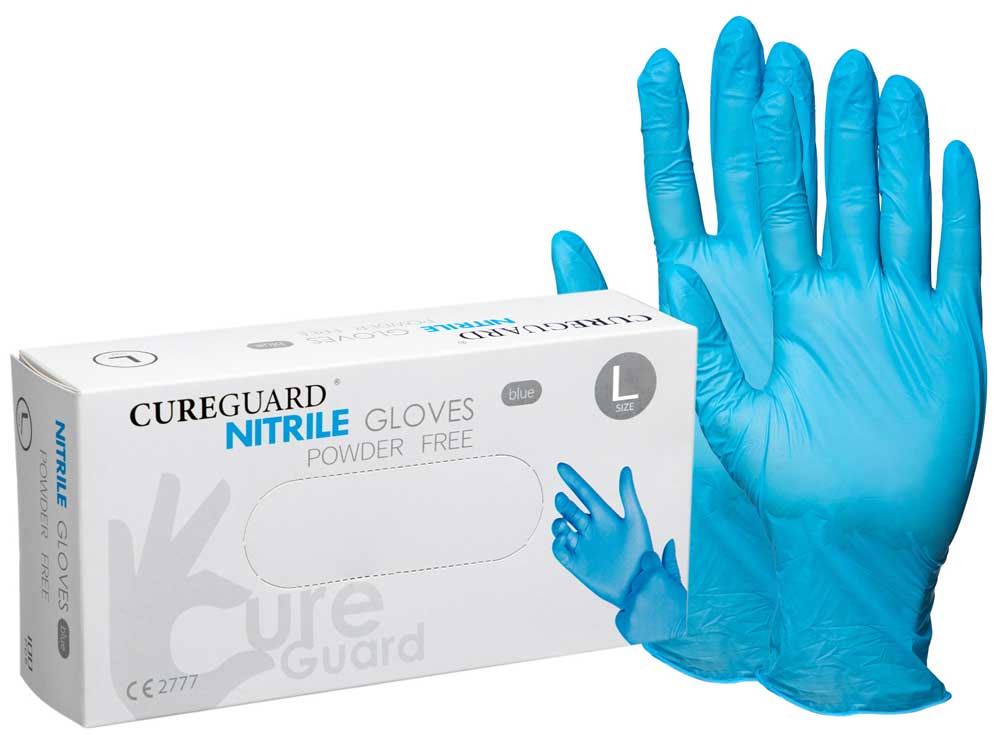
Nitrile gloves are made from nitrile rubber, a material that endows them with many excellent properties. Their resistance to chemical corrosion is particularly outstanding, effectively resisting erosion from various acids, alkalis, oils, solvents, and other chemicals. In laboratories, researchers frequently come into contact with various hazardous chemicals during experiments; nitrile gloves can isolate these chemicals from the skin, preventing chemical burns and safeguarding experimental safety. In chemical production workshops, workers use nitrile gloves to handle raw materials and products containing corrosive components, protecting their hands and reducing occupational hazards.
Good wear resistance is also a major advantage of nitrile gloves. In industrial manufacturing fields, such as mechanical processing and automobile assembly, workers need to frequently operate tools and contact components. Ordinary gloves are prone to wear and tear, while nitrile gloves can withstand prolonged friction and pulling, maintaining their integrity, extending their service life, and reducing the frequency and cost of replacement. Simultaneously, nitrile gloves possess excellent puncture resistance, effectively preventing hand injuries when handling sharp objects like glass fragments or metal scraps, thus ensuring operational safety.
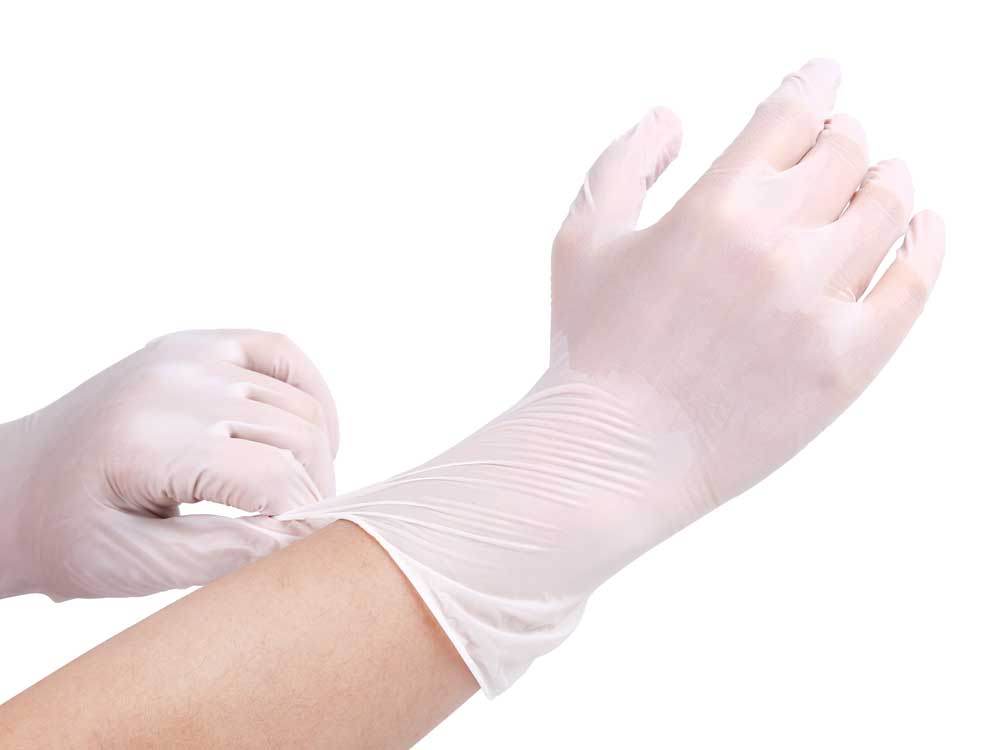
In hygiene-sensitive industries such as medical and food processing, nitrile gloves also perform well. They do not contain latex proteins and do not trigger latex allergic reactions, making them safer for medical staff and patients, as well as food industry workers and consumers. During medical care procedures, healthcare workers wear nitrile gloves for operations such as injections and dressing changes, which can prevent the spread of pathogens and avoid work disruptions due to allergies. In food processing, nitrile gloves are clean and hygienic, causing no contamination to food. At the same time, their hand-fitting design allows operators to flexibly grasp and handle ingredients, ensuring processing efficiency and product quality.
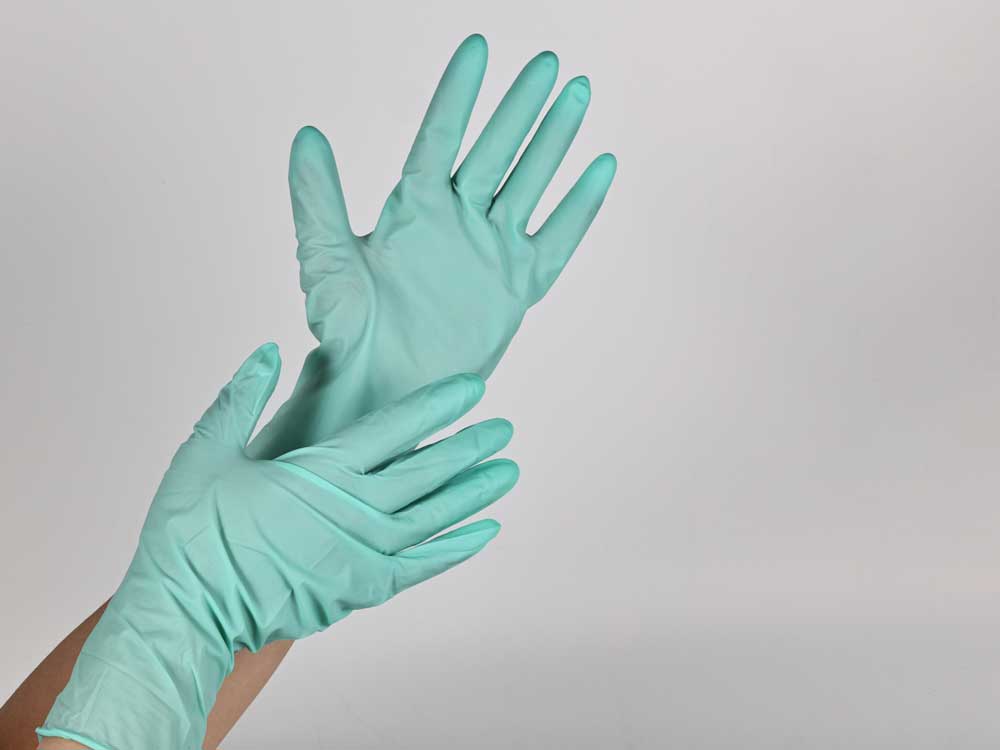
In addition, nitrile gloves also have good flexibility and comfort. Their soft material conforms to the curves of the hand, allowing fingers to move freely, and even after prolonged wear, they are not prone to causing fatigue. Some nitrile gloves have surfaces treated to increase friction, making grips more secure. In work requiring high operational precision, such as operating precision instruments or assembling electronic components, this ensures the accuracy and stability of operations.